
When the fixture list sends us up to Johannesburg or Pretoria – a Test match at the Wanderers, a Springbok clash at Loftus, a derby at Ellis Park – we book the flights, sort the accommodation, and plan the trip around the game itself. Fair enough. But here’s what a lot of us miss: from Gauteng, one of the most extraordinary wildlife destinations on the planet is just a few hours up the road, and too many of us fly or drive home without ever setting eyes on it.
You’ve already carved out the time off work and packed the bags for the game. Why not stretch that trip a little further and head into the bushveld while you’re at it? Kruger National Park is close enough to bolt onto any Gauteng sports weekend, and it turns a good trip into an unforgettable one. Here’s why it’s worth the extra few hours on the road:
Front-row action at the waterholes
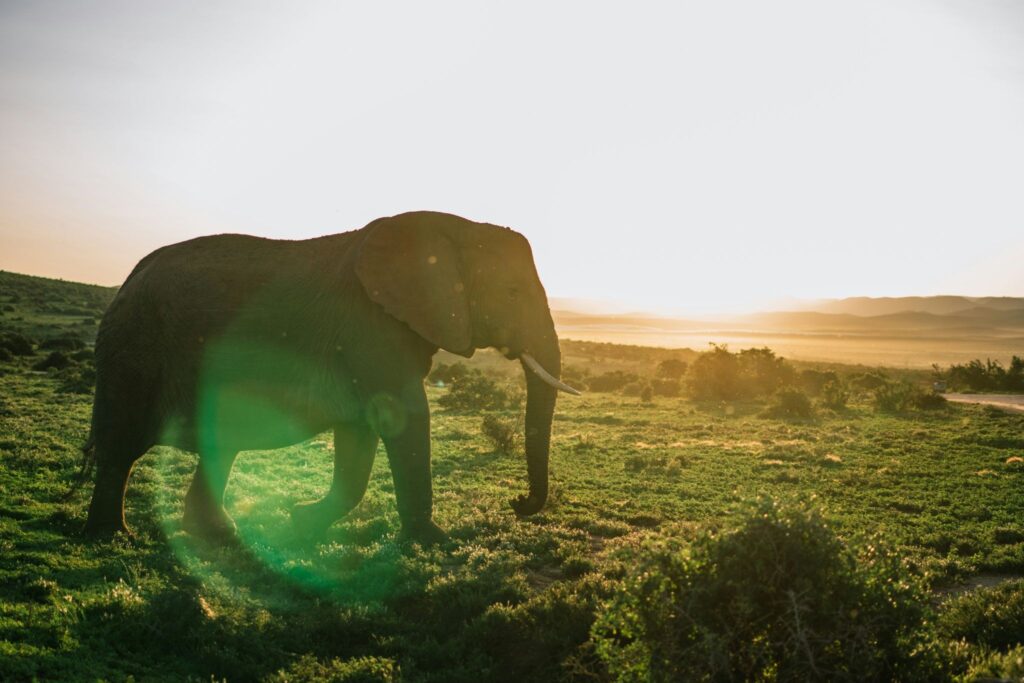
Unlike manicured reserves or zoos, the Kruger offers raw, unscripted wildlife drama dictated by nature’s truest necessity: water. Throughout the park, permanent waterholes and major river systems act as the ultimate social hubs for the Big Five. From the absolute safety of a guided open safari vehicle travellers are handed a front-row seat to an incredible wildlife spectacle.
The Kruger’s unique flora and fauna
Kruger isn’t only about the Big Five – its flora is just as captivating. With nearly 2,000 plant species, the park bursts into colour with wild flowers like African Flame Lilies, Sabi Stars, and Leopard Orchids.
“Along the Sabie River you’ll find the Leopard Orchid,” says Miguel Farinha, Hotel Manager at Kruger Gate Hotel. “It blooms in August and September with fragrant yellow petals marked with leopard‑like spots. It’s a true seasonal highlight.”
The African Flame Lily, with its scarlet flame‑shaped petals, thrives even in the dry season, while the Sabi Star dazzles with deep pink blossoms that herald the rains.
Farinha adds that the park’s magic lies not only in its plants but in the fascinating relationships between animals. “Oxpeckers perch on elephants, impalas, and rhinos, feasting on ticks while acting as guardians. And impalas rely on baboons to crack open the sausage fruit of the Kigelia tree – happily dining on the scraps they couldn’t reach themselves.”
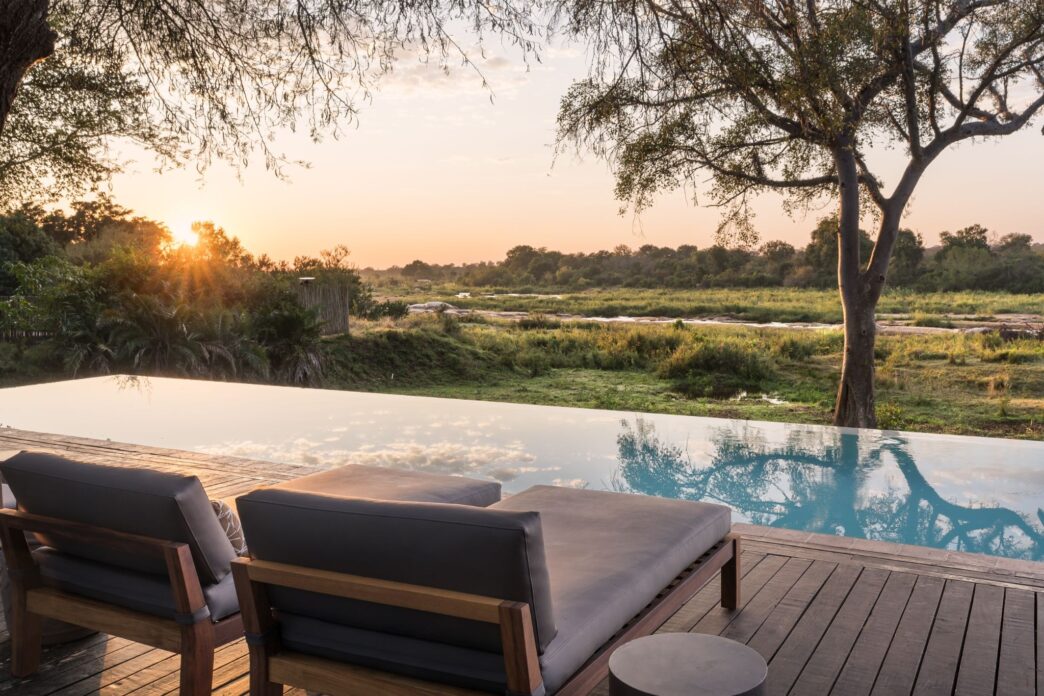
Located at the Paul Kruger Gate, Kruger Gate Hotel offers the perfect base to explore these wonders. This is where every walk or drive reveals another story of survival, beauty and connection in the bush.
It’s an official Wonder Of The World
During the Middle Ages Hellenic travellers documented seven astonishing structures in artwork, literature and guides. Fast forward to the year 2000 when a Swiss foundation, New 7 Wonders Foundation, decided it was time for the world to recognise a new list – particularly because only one of the original wonders, the Pyramids of Giza, was still standing.
However, nearly two decades later UK-based AllClear agency pondered if this list still stands. After analysing the Wikipedia page views data for over 4,300 global landmarks over the last few years the company named the breathtaking Kruger National Park as South Africa’s overall Wonder of the World, cementing the park as the most alluring location in SA.
Uncrowded space and serenity
In a world where popular travel destinations increasingly feel like crowded tourist conveyor belts, the sheer scale of the Kruger offers the rare luxury of space. Because the park is so vast, it naturally disperses visitors, allowing you to experience the African wilderness exactly as it should be – quiet, untamed and exclusive. Swapping the roar of urban life for the profound silence of the bushveld provides a total sensory reset, giving you the room to disconnect from digital noise and reconnect with the natural world.
A culturally rich experience
On the southern edge of Kruger National Park, you can encounter the Shangaan people, a community rooted here since the 19th century. Their culture blends Nguni and Tsonga traditions, expressed through storytelling, music and dance.
“They’ve even created their own instruments. The fayi flute and xitende bow are unique sounds of the bush,” notes Farinha.
Today, Shangaan families live across Mpumalanga and the Drakensberg, with the Shangana Cultural Village offering travellers a chance to experience their heritage first‑hand. Visitors can enjoy performances, browse handmade art and hear captivating stories passed down through generations – a cultural immersion that adds depth to any safari trip.
Making it work around the fixture
Kruger’s southern gates are roughly a 4-5 hour drive from Johannesburg or Pretoria, or a short flight to Kruger Mpumalanga International Airport or Skukuza. For anyone already heading to Gauteng for a match, tacking on two or three nights either side of the game turns a routine sports trip into a proper South African getaway – no long-haul flight required.


